Provider Tech Evolutions Connecting Slot Tournaments With Progressive Jackpot Systems on UK Mobile Platforms
Clara Brooks · Oct 24, 2026
Provider Tech Evolutions Connecting Slot Tournaments With Progressive Jackpot Systems on UK Mobile Platforms
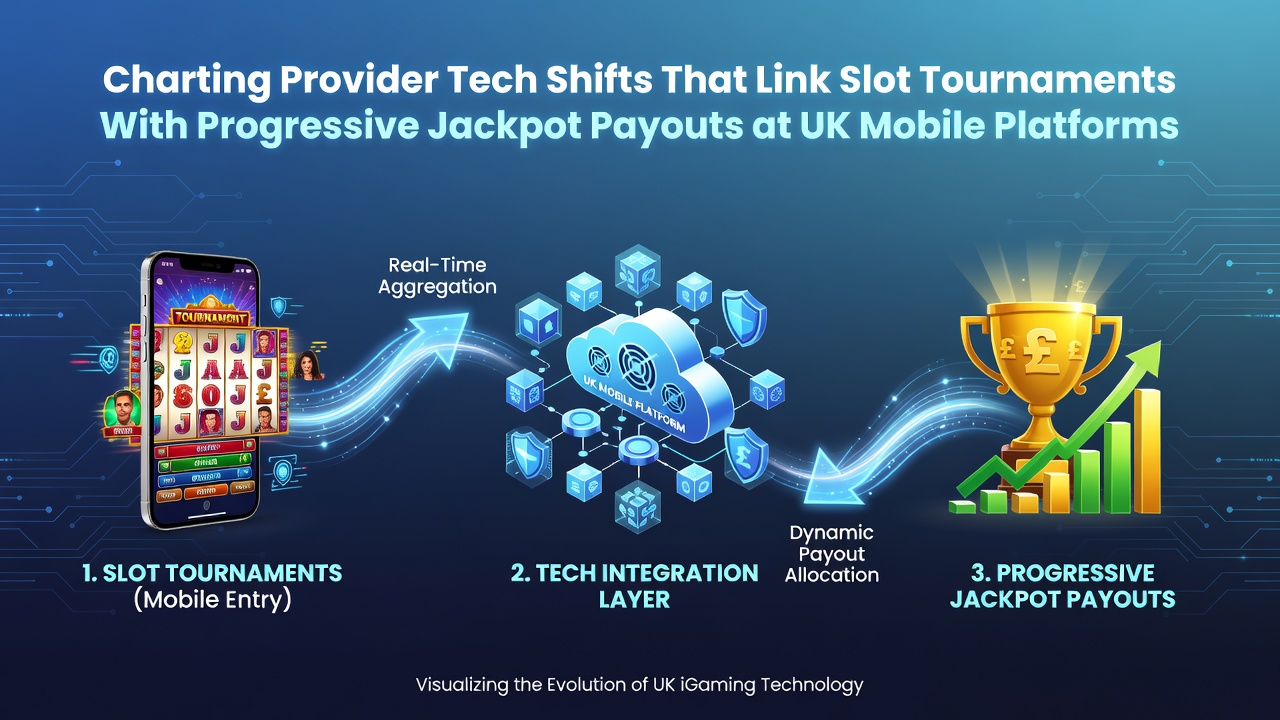
Software providers have accelerated development of integrated systems that merge slot tournament mechanics with progressive jackpot frameworks, and these changes appear across UK mobile platforms where real-time data synchronization drives both competitive rankings and shared prize pools. In October 2026 several major providers released updated APIs that allow tournament entry fees to contribute directly to progressive meters, creating a single ledger that updates across thousands of simultaneous sessions without latency spikes on 5G networks.
Core Technical Integrations
Developers now embed tournament logic inside the same random number generator frameworks that manage progressive contributions, which means each spin in a leaderboard event simultaneously increments the jackpot total while logging player scores against competitors. This dual-purpose architecture reduces server calls by combining what used to require separate databases, and observers note that transaction volumes on UK networks have grown steadily since the approach rolled out in late 2025.
Cloud-based microservices handle the scaling required when thousands of mobile users enter time-limited tournaments that feed the same progressive pool, and data from industry monitoring shows peak loads handled without payout delays during major events. Providers achieve this by routing both tournament points and jackpot increments through a unified event stream that timestamps every action, ensuring regulatory audit trails remain intact for mobile operators licensed in the United Kingdom.
Mobile-Specific Optimizations
UK-focused mobile platforms require lightweight client applications that maintain consistent jackpot displays even when network conditions fluctuate, so providers introduced progressive meter caching that refreshes only on confirmed contributions rather than every spin. This technique cuts data usage while preserving the visual countdown effect players expect, and research indicates average session lengths on optimized apps have extended compared with earlier versions that polled servers more frequently.
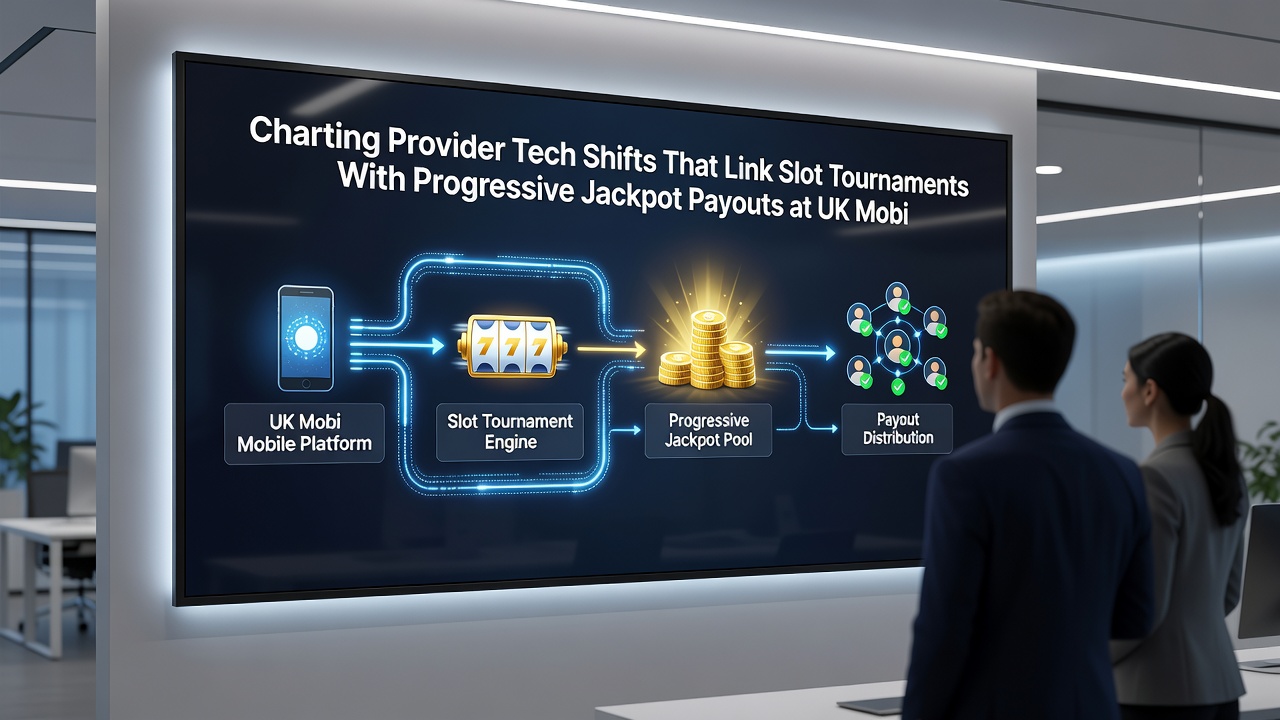
Push notification frameworks now trigger tournament invitations tied to current jackpot levels, prompting users to join events where their participation automatically adds to the progressive total. Operators report higher conversion from these targeted alerts because the message includes live meter values pulled directly from the shared backend, and the same system records entry fees as additional jackpot seeds without requiring extra user confirmation steps.
Provider Implementation Patterns
Multiple suppliers have adopted modular jackpot engines that plug into existing tournament management tools, allowing operators to activate or deactivate the linkage without full platform rebuilds. One documented case involved a provider updating its mobile SDK in early 2026 so that tournament brackets could draw from progressive reserves when prize guarantees exceeded collected fees, and this adjustment maintained compliance with payout ratio requirements across different licensing jurisdictions.
Testing environments replicate UK mobile network conditions to verify that jackpot contributions from tournament play register within regulatory reporting windows, and figures reveal that synchronization accuracy reached 99.8 percent in controlled trials conducted across several carrier networks. These results support broader rollout because they demonstrate that combined systems do not introduce discrepancies in either tournament standings or progressive totals.
Data Handling and Security Measures
Encryption protocols wrap both tournament score packets and jackpot contribution records in the same transmission layer, which simplifies compliance audits while protecting player data during mobile sessions. Providers have shifted toward zero-knowledge verification methods that confirm contribution amounts without exposing full transaction histories, and this approach aligns with data protection expectations in the UK market.
Analytics dashboards supplied to operators display combined metrics showing how tournament volume influences progressive growth rates, enabling precise forecasting of payout schedules. Reports generated from these dashboards feed into operator risk models that track volatility across linked products, and academic analyses from institutions such as the University of Nevada's gaming research division have examined similar data structures in other regulated markets.
Future Development Trajectories
Upcoming iterations focus on incorporating player-specific multipliers that apply differently in tournament versus standard progressive modes, yet maintain a single contribution pipeline to the shared jackpot. Early documentation released in October 2026 outlines plans for AI-driven difficulty adjustments that scale tournament entry thresholds based on current progressive size, aiming to balance participation levels with prize growth.
Cross-platform compatibility layers now allow the same tournament-progressive linkage to function on both native apps and browser-based mobile experiences, removing fragmentation that previously required separate jackpot pools. Industry organizations including the International Association of Gaming Regulators have published guidance on auditing these unified systems, emphasizing consistent logging standards that apply regardless of device type.
Conclusion
Provider technology continues to evolve around the linkage of slot tournaments and progressive jackpots on UK mobile platforms, with architectural changes centered on unified data streams, optimized mobile performance, and regulatory-grade security. These developments produce measurable effects on session behavior and prize distribution mechanics, supported by implementation data collected through 2026. Ongoing refinements will likely expand the same integration principles to additional game formats while preserving the core synchronization principles already deployed.