Licensing Reforms and Their Ripple Effects on UK Casino Software Ecosystems
Clara Brooks · Oct 10, 2026
Licensing Reforms and Their Ripple Effects on UK Casino Software Ecosystems
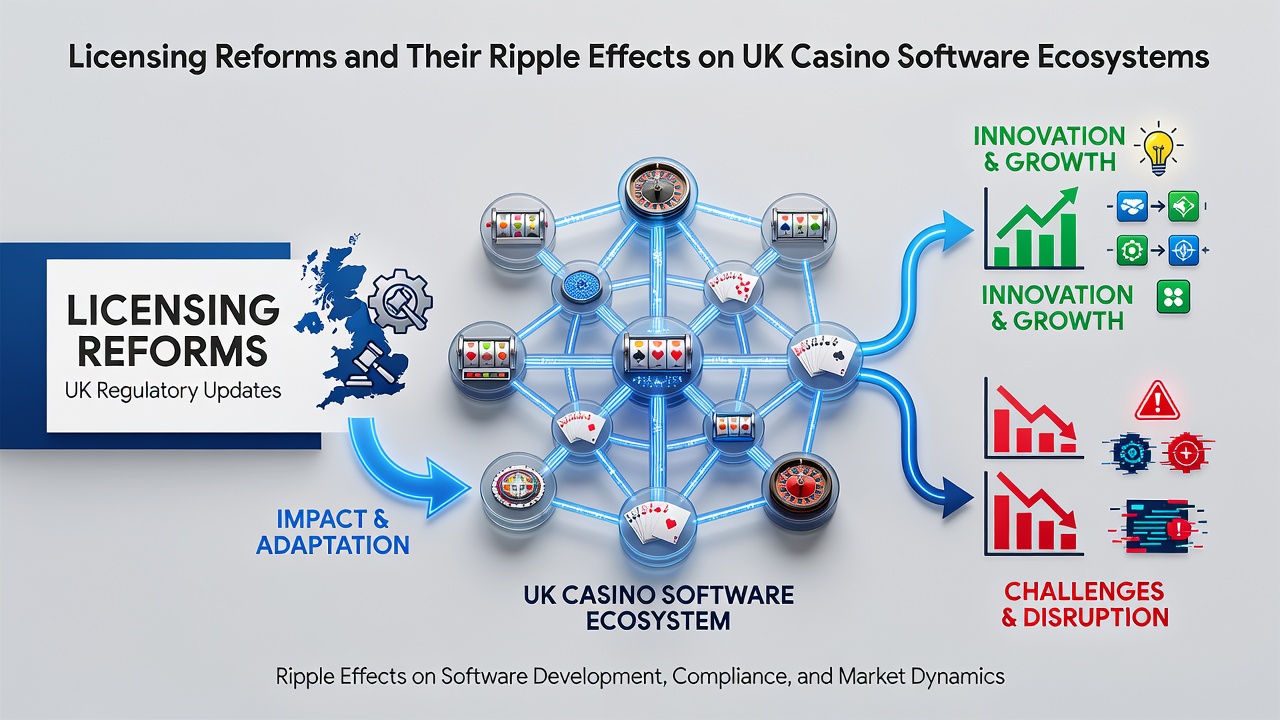
Regulatory shifts in licensing frameworks have started transforming how casino software operates within UK markets, particularly as new compliance standards roll out ahead of October 2026 deadlines. These changes affect providers who build games, platforms, and back-end systems by tightening requirements around security protocols, data handling, and integration with operator networks. Observers note that companies must now navigate updated approval processes that emphasize transparency in random number generators and player fund segregation, which in turn influences development timelines and partnership models across the sector.
Key Elements of Recent Licensing Adjustments
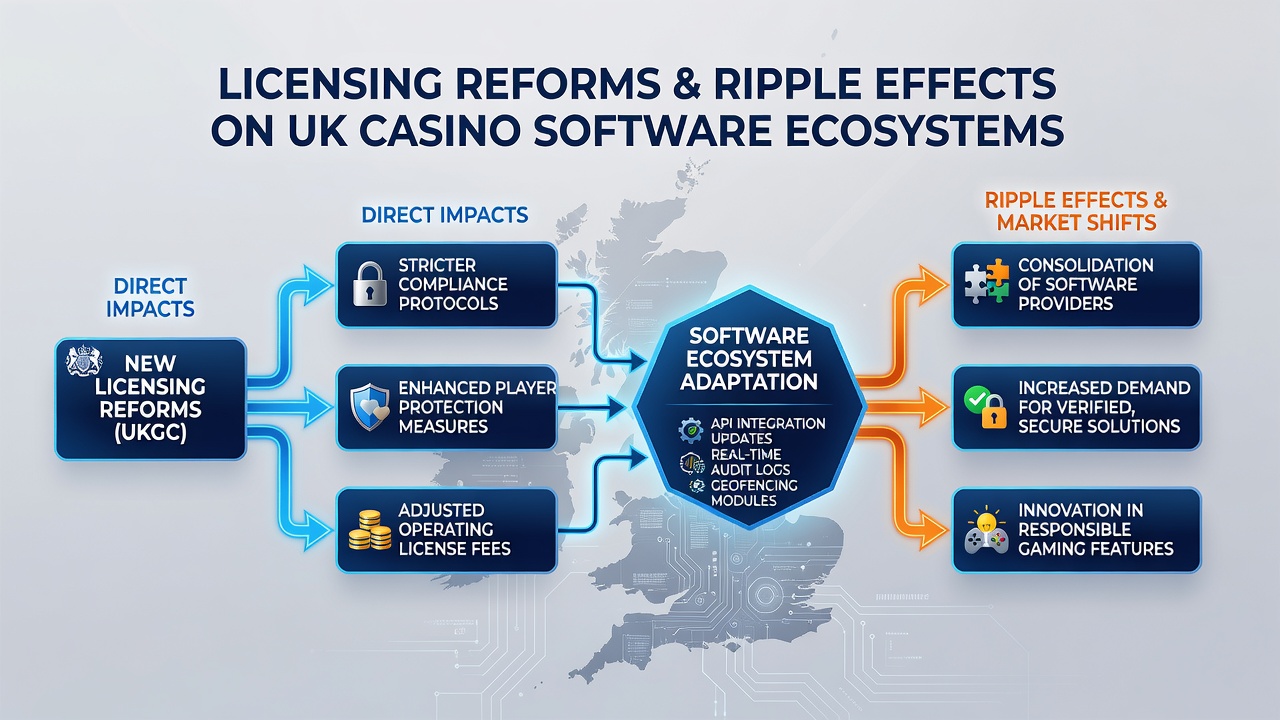
Reforms have introduced layered certification steps for software vendors, requiring detailed audits before deployment on UK-facing sites. Data from industry reports shows increased emphasis on modular architecture so that updates can address evolving rules without full system overhauls. Providers often collaborate with testing labs accredited in multiple jurisdictions, allowing them to align UK standards with those from bodies like the Malta Gaming Authority while maintaining efficiency in code deployment. This approach reduces duplication yet demands precise documentation trails that track every software iteration from initial build through live operation.
Software ecosystems have responded by investing in centralized compliance dashboards that monitor real-time metrics such as payout verification and session logging. Researchers at academic institutions have documented how these tools help vendors demonstrate adherence during license renewals, especially when operators integrate third-party content libraries. The result appears in streamlined supplier contracts that now include clauses for ongoing monitoring rather than one-time checks.
Impacts on Software Development and Provider Operations
Development teams have adjusted workflows to incorporate mandatory risk assessments at earlier stages of game design. Figures reveal that projects now allocate additional resources toward encryption upgrades and API security layers, since reforms stress protection against unauthorized access across interconnected casino networks. Providers who once focused solely on graphics and mechanics now balance those elements with backend features that support audit trails demanded by regulators.
Smaller studios face particular pressure as they compete with larger firms that maintain dedicated compliance departments. Industry analyses indicate consolidation trends where independent developers partner with established platforms to share licensing overhead. Such arrangements allow niche titles to reach UK audiences while meeting technical thresholds that standalone entities might struggle to satisfy independently.
Ripple Effects Across the Broader Ecosystem
Operators relying on multiple software suppliers encounter new coordination challenges when aligning diverse products under unified licensing umbrellas. Reports from the European Gaming and Betting Association highlight how shared technology stacks now require synchronized update schedules to avoid compliance gaps during transition periods. This synchronization influences everything from jackpot pooling mechanisms to cross-game bonus systems that span different providers.
Payment processors and data analytics firms also feel downstream effects because reforms extend scrutiny to any component touching player accounts or transaction flows. One study from an Australian research center found similar patterns in other regulated markets, where vendors adapted by creating standardized interfaces that simplify data exchange while preserving individual product integrity. UK software ecosystems have adopted comparable patterns, leading to hybrid environments where legacy systems coexist with newer compliant modules.
Market entry barriers have shifted accordingly. New entrants must demonstrate not only innovative gameplay but also robust infrastructure capable of withstanding periodic reviews. Those who studied comparable reforms in Canadian provinces note that early adopters of proactive compliance measures gained competitive edges through faster approval cycles and stronger operator relationships.
Conclusion
Licensing reforms continue to drive structural adaptations throughout UK casino software ecosystems as October 2026 approaches. Providers, operators, and supporting services adjust practices around certification, integration, and monitoring to maintain operational continuity. Evidence from multiple regulatory regions suggests these patterns will persist, shaping how software evolves in response to sustained oversight frameworks.